Alumni Spotlight:
Noé Ramirez
(B.S. '02 & B.Arch. '07)
October 19, 2026
ABOVE: Methodist West Houston Hospital
Name: Noé Ramirez
Hometown: Houston, TX
Major: Bachelor of Science, Environmental Design | Bachelor of Architecture
Graduation Year: 2002 | 2007
Employer: Harris County Office of the County Engineer
Title: Architect | Assistant Director of Special Projects, HCSO Jail/Public Safety, and Resiliency & Sustainability
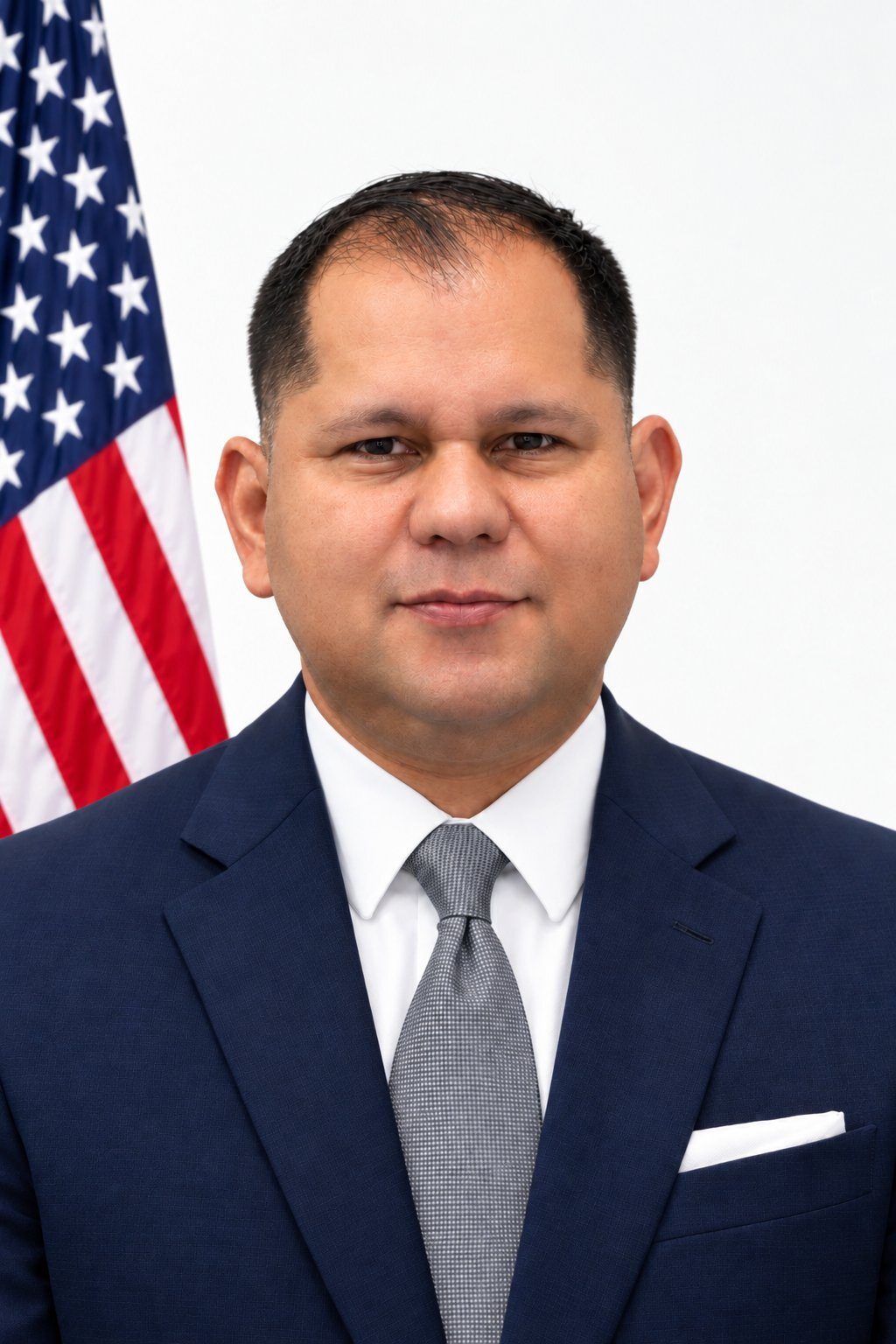
"Be an advocate for our profession and never undersell your abilities and talents."
Why did you choose the Gerald D. Hines College of Architecture and Design? What drew you to design?
I chose UH College of Architecture after touring the building and was just in awe of the atrium space and seeing the students working in the studios. I had not seen anything like that before and the other universities I had toured did not compare. I was very fortunate to have a full scholarship as part of the Center for Mexican American Studies program.
What initially drew me to design was seeing all the different buildings and cities displayed in movies. In high school I took a drafting class taught by a retired architect and won a state design competition. Since then, I knew that I enjoyed being creative and working hard to be a problem solver. Working to design buildings or spaces that enhance people’s lives is very rewarding.
What is one of your favorite memories from your time on campus? Was there a particular professor who influenced your education?
In my first day, all the freshmen were called into the Auditorium, and the Dean made the comment that only about 5 people in the entire room would become Architects. That moment really stood out for me on the difficulty and competition I would face. However, I was not discouraged but rather saw this as a challenge.
Associate Dean Lannis Kirkland was my first-year professor that greatly influenced my education. He taught me the basic design principles of color, scale, pattern, line weights and attention to details- all of which I still use today. At the end of the first semester, I asked him to discuss a major change to Political Science. He told me that I had what it takes to become a great Architect based on my performance in studio and asked that I complete the entire year before agreeing to sign off on my major change. He then also said that Architects should also be in the Public Sector as well as Politics as they can bring their expertise.
Tell us about a typical day in your job. Do you have a particular design or business philosophy?
My typical day working for Harris County varies greatly. I normally lead project and program meetings with my teams to review performance and any potential issues that they currently face or can arise. Additionally, I attend meetings with our stakeholders that include the Harris County Sheriff’s Office, District Attorney Office, Public Health, City of Houston, Elected Officials, and others on major programs affecting the county.
Most days, I review the work of the design consultants and constantly try to improve internal processes. Improvements include the use of AI, QAQC Checklist, updating Design Standards, keeping projects on schedule, documenting decisions, and just trying to think outside of box. On rare occasions, I get to work on concept plans and renderings.
I present monthly informative sessions that I call, “Architecture 101”, schedule construction site visits, and other team building activities. I often tell people that my job is to make sure I can support my various team members by helping make decisions, remove any obstacles, and taking on leadership responsibilities.
My design philosophy is simple: every project should make the spaces we provide better for all. I believe good design should be purposeful, functional, sustainable, and create lasting value for the community.
My business philosophy is rooted in stewardship and accountability. My teams are entrusted with public funds, and it is our responsibility to manage those resources wisely. That means making thoughtful decisions, managing projects effectively, minimizing unnecessary costs, and ensuring that every dollar invested delivers the greatest possible value.
ABOVE: A medical office building and hospital patient rooms
What is one career accomplishment of which you are particularly proud? How do you feel the College prepared you for this?
Working with the U.S. Department of Veteran Affairs on the Facility Assessments Projects across the Nation was one program that I will always remember. I assessed over 10 million square feet in over 500 buildings to identify code deficiencies, life safety issues, building envelope end of life, and interior finishes. The reports I helped to produce would then be used by the VA to be submitted to Congress to approve and allocate funding for new or renovation projects. Seeing how these outdated and unkept facilities were being used to treat our military veterans made me appreciate the importance of being an Architect.
Healthcare has been in most of my career and another project that comes to mind is the MIBG Cancer Treatment Suite for Texas Children’s Hospital. Working on this project, I learned about the personal stories of families having children with cancer and a new treatment that could be their last hope.
The College of Architecture prepared me for these past projects and current projects by always taking into consideration the people that will be using these spaces and putting myself in their perspective on how the physical environment would have an impact on me.
ABOVE: Ramirez at a Harris County groundbreaking site
What is one valuable lesson you learned during your time at the Hines College?
My 4th year Studio Professor and Urban Design teacher, Shafik Rifaat, taught me valuable lessons to get to know the stakeholders and to truly understand what people want or need in programming buildings and spaces. For my 4th year project, which was a community center and day worker facility, I created a survey and walked the neighborhood to ask the residents what they wanted to see in the new building and what concerns they had. At the end of year pin up, I included survey data I had collected and used to justify my design decisions. This taught me to not be afraid to get out and meet the community and treat them as an active participant in the design process.
Equally impactful was my Sustainability Professor, Rives Taylor, that taught me to think about life cycle impacts of products and buildings. He taught me to question the information provided by vendors or consultants by checking and doing my own research. His lectures inspired me to seek my LEED AP and work on sustainable projects.
What advice would you give to current architecture and design students?
I often tell students that get to know all the available tools for design professionals and understand each one’s limitations and advantages. I was taught by hand drawing and then using computer programs such as Revit. Technology is constantly changing and the use of AI is yet another tool for students to consider. Do not rely on these tools but rather use them as needed to become a better Architect, Designer, or Planner.
Be an advocate for our profession and never undersell your abilities and talents.