Alumni Spotlight:
Rodrigo Marron (B.Arch. '14)
January 28, 2026
ABOVE: Rodrigo Marron (B.Arch. '14) at Apple Park where he started a contract position with the company in 2025
Name: Rodrigo Marron
Hometown: Sunnyvale, California
Major: Bachelor of Architecture
Graduation Year: 2014
Employer: Magnit Global
Title: Senior Airtable Engineer - Apple Contract
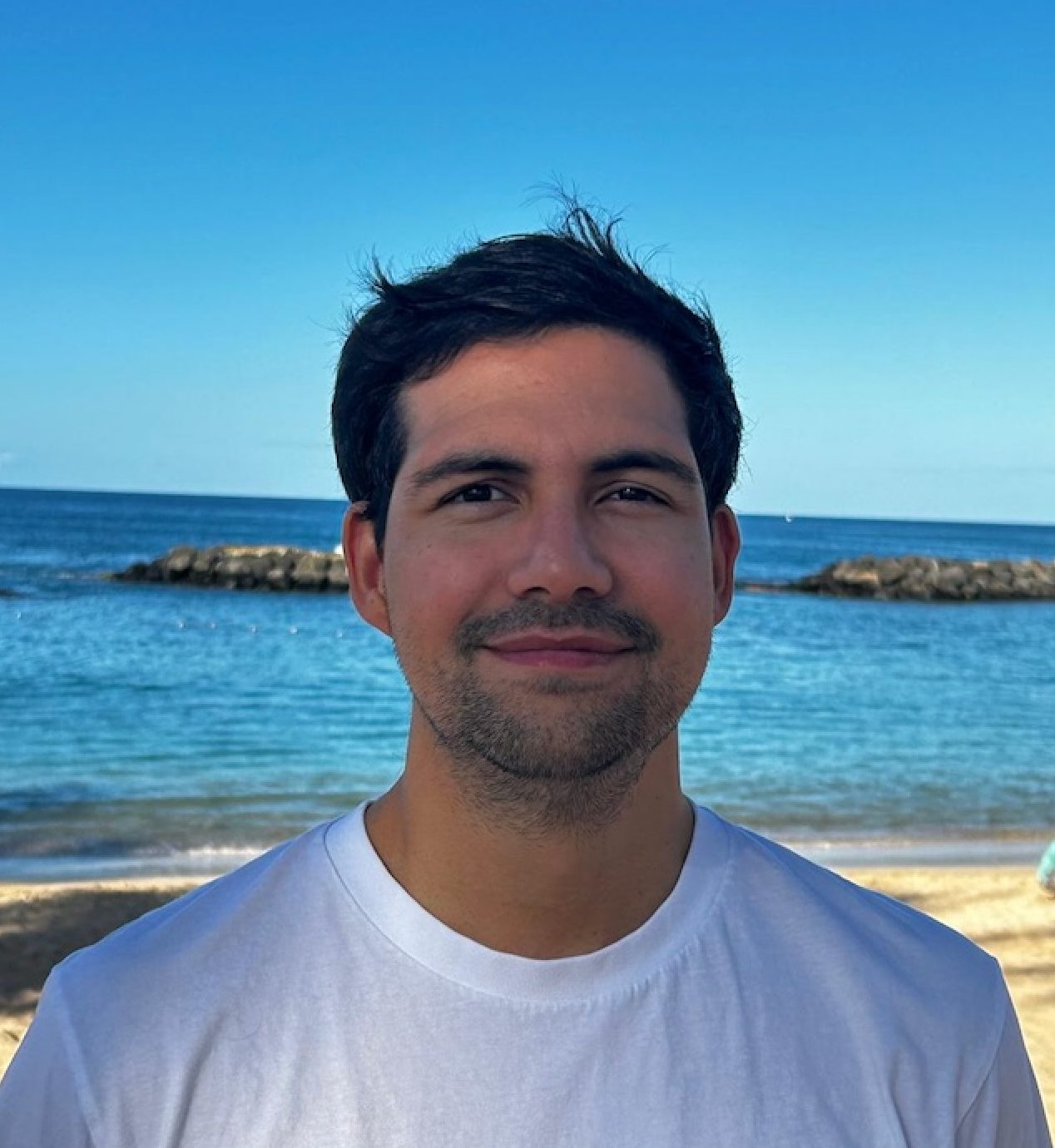
"Looking back, I am grateful I pursued architecture even though my path took an unexpected turn. The program prepares you for more than you realize."
Why did you choose the Gerald D. Hines College of Architecture and Design? What drew you to design?
I was drawn to design because I've always loved the process of making things, figuring out how something works, and bringing ideas to life. Architecture felt like a field where I could combine creativity with problem-solving in meaningful ways. The University of Houston Gerald D. Hines College of Architecture and Design was the clear choice because it's a public university with an accredited program and a strong nationwide reputation.
I spent my freshman year at UH taking general courses and rebuilding my GPA so I could apply to the Hines College. During that time, I'd visit the architecture building constantly, checking out exhibitions, borrowing books, and attending guest lectures. Immersing myself in that environment made my goal feel real and kept me motivated.
What is one of your favorite memories from your time on campus? Was there a particular professor who influenced your education?
People made my experience great. Making great friends in the program who could relate to pulling long studio nights only to be humbled the next day was invaluable. At the time, it was really challenging, but I look back so fondly on all of it – the highs and the lows. The camaraderie in studio is hard to replicate professionally.
I always sought professors who I knew would challenge my way of thinking, but whose philosophy I was also very interested in learning from and adding to my own. Those who particularly inspired and pushed me were Robert Griffin, Robert Burrow, and Nora Laos, as well as the duo of Joe Meppelink and Andrew Vrana.
Tell us about a typical day in your job. Do you have a particular design or business philosophy?
I am no longer in architecture. For the last six years, I have been working as an Airtable developer/consultant. Airtable is a no-code/low-code tool enabling people without technical backgrounds to quickly build scalable applications for complex workflows, like forecasting tools or content management systems. Thanks to its versatility and rapid build-to-rollout time, I have been able to work at places like WeWork, Netflix, People Inc., and currently Apple.
A typical day involves client meetings, hands-on building, and problem-solving. I might start by meeting with stakeholders to understand their workflow challenges, then spend the afternoon designing database structures and building interfaces in Airtable. I'm constantly testing, iterating, and getting feedback from end users. Some days focus on documentation and training to ensure teams know how to use and maintain what I've built.
Airtable and architecture share many parallels, particularly around data modeling and workflow design. My favorite similarity between both is that there is usually more than one way to solve a problem. Determining the best solution involves combining past experience, understanding the client and end users, and the workflow itself.
A principle I repeat constantly, learned at dsk architects, is KIS: Keep It Simple. It is far too easy to overcomplicate solutions. When I build, I keep these topics top of mind: end users, product rollout, and scalability. If my solution puts any of these at risk, I reassess and find a better, simpler way.


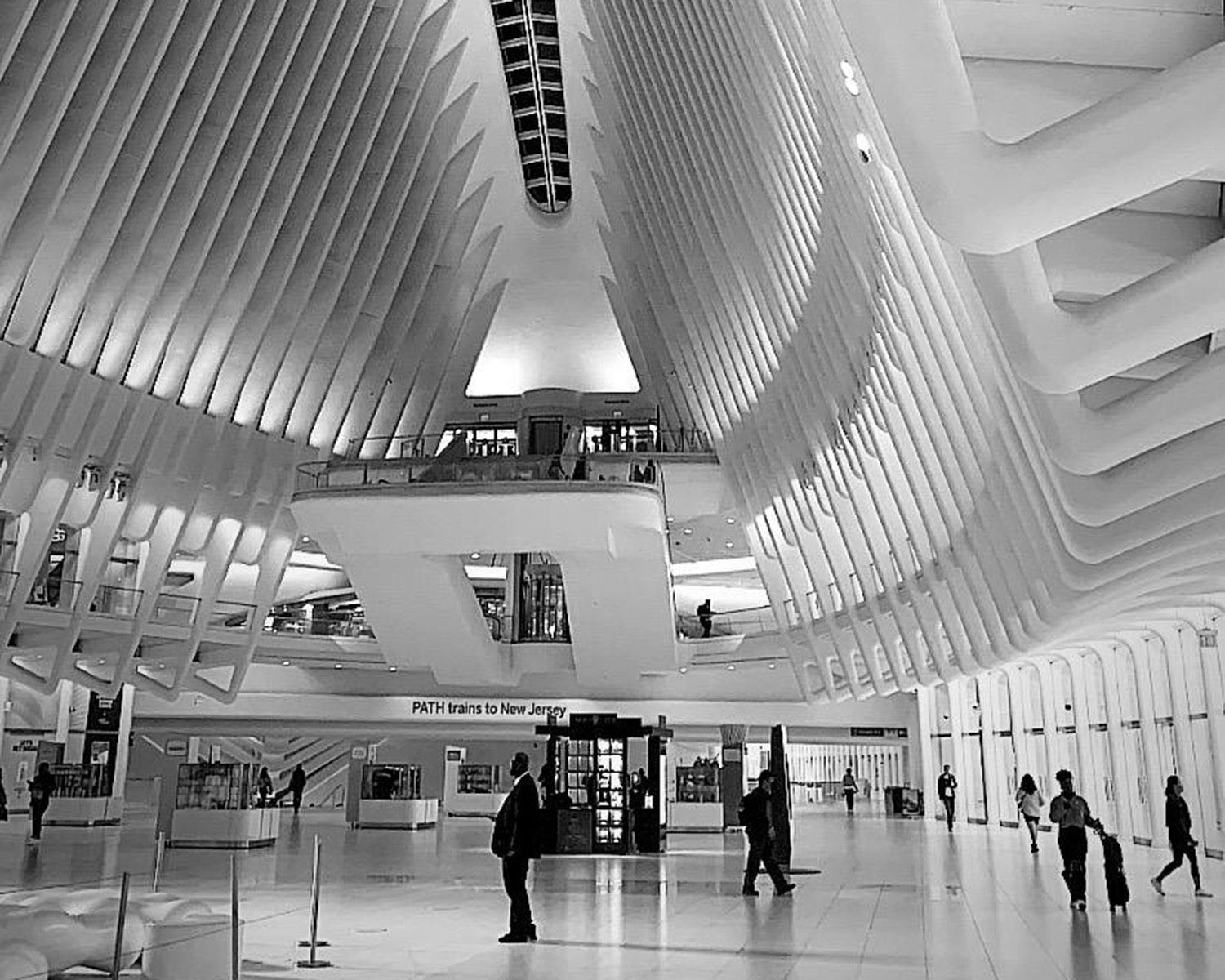

ABOVE: Photos from cities and places Marron has worked over the years: Another picture of him at Apple Park; In 2016, he moved to San Francisco to work at dsk achitects; In 2023, he joined People Inc. and flew to see their headquarters in New York City where he visited the Oculus; His first tech job was at Netflix in 2020
What is one career accomplishment of which you are particularly proud? How do you feel the College prepared you for this?
Successfully pivoting careers mid-COVID pandemic is what I am most proud of because it led me to work at companies like Netflix, People Inc., and Apple that I once saw as far-off dreams. The Bachelor of Architecture program at the Hines College is amazing and relentless. Each studio professor has their own preferences for tools, methodologies, work ethic, presentation, and communication. As a student, you are constantly pushed to reinvent aspects of how you think and work to adapt to your new studio, sometimes drastically, but always with the North Star of producing higher-quality output.
You are expected to produce top-quality drawings, models, and critical thinking in a short amount of time while simultaneously learning new tools as you go. You hone invaluable skills like being comfortable with discomfort, navigating ambiguity, using resources effectively, and knowing when to lean on your community.
This foundation made me feel capable of pivoting careers, even though it was really difficult. I underestimated how challenging the software engineering bootcamp would be, but I felt prepared because my architecture education built my mental elasticity to adapt and learn quickly. By the time I graduated college, I had developed diverse skills and lenses that continue to help me observe, understand, empathize, document, and build successful projects for clients and teams.
What is one valuable lesson you learned during your time at the Hines College?
Continued growth is critical and largely self-driven. Staying current with technology, tools, and design meant actively seeking opportunities, being vulnerable with peers about what I did not know or needed help with, and making the most of resources like the amazing library, woodshop, and faculty. I surrounded myself with friends who shared that passion and hunger for growth.
This mindset has stuck with me throughout my professional career. The landscape shifts rapidly and unpredictably, so I keep a pulse on trends and emerging tools in my field while taking initiative to learn what I need through YouTube, online courses, or structured programs.
Stay curious, stay hungry, and never stop learning.
What advice would you give to current architecture and design students?
Not all professional paths are linear, and that is okay!
It took two years to fully let go of my boyhood dream of becoming an architect. But across different firms, I kept finding my skills were better suited for project administration and data work focused on simplifying workflows. That is what led me to Airtable, which I have fortunately made into a career.
Looking back, I am grateful I pursued architecture even though my path took an unexpected turn. The program prepares you for more than you realize.
It demonstrates a proven track record of adapting to new work environments and applying your diverse skills across diverse contexts. One skill I have found very valuable and transferable is systems design thinking.
A well-executed Airtable application, like any architecture project, brings complex components together to function as a single, cohesive entity. Architecture is inherently cross-collaborative, and that training has been invaluable. I regularly work with experts from Finance, Marketing, Product, Operations, and IT. Success requires active listening, empathizing with challenges, building trust quickly, and clearly articulating how solutions will impact their work.
Continue to push yourself out of your comfort zone because discomfort persists at every job, even the ones you love. You will be confronted with imposter syndrome, ambiguity, and uncertainty time and time again. Building resilience to ride out those waves requires experience and community, and the Hines College excels at providing both.
Connect with Rodrigo:
LinkedIn