Saving What Shapes Us: The Future of Preservation
UH welcomes national leader in historic preservation and cultural sustainability
by Stephen Schad • January 14, 2026
When William “Bill” Dupont arrived at the University of Houston Gerald D. Hines College of Architecture and Design this fall as its new professor of architecture for historic preservation and cultural sustainability, he brought more than 40 years of experience from government, nonprofit leadership, private practice, and higher education. Throughout his career, Dupont has worked on iconic American landmarks, international cultural sites, and nationally recognized research initiatives. This experience positions him to help shape an ambitious new chapter for the Hines College and the region.
Dupont’s approach to preservation has always focused on people and the environments that influence their lives. Before entering academia, he spent two decades in roles that required technical skills, cultural awareness, and the ability to lead large-scale programs. One of his most influential professional experiences occurred at the National Trust for Historic Preservation, where he served as the organization’s architect for its historic sites. He developed master plans, established standards, and supported the Trust’s growth from 16 to 28 nationally significant properties. Dupont worked on mid-century landmarks such as Mies van der Rohe’s Farnsworth House and Philip Johnson’s Glass House Estate, as well as President Lincoln’s Cottage, where he contributed to one of the country’s earliest LEED Gold-certified preservation projects.
Dupont also began long-term international work in Cuba, leading a U.S. Technical Team assisting in the conservation of Ernest Hemingway’s estate in Havana. The scope of these efforts, along with his early training programs in disaster preparedness and stewardship for site managers, shaped a career focused on advancing preservation through education, innovation, and public engagement.
In 2007, Dupont made the move into academia when he was recruited by the University of Texas at San Antonio (UTSA) to establish a new preservation program. At UTSA, he created a Graduate Certificate in Historic Preservation, followed later by the development of a Historic Preservation concentration within the Master of Architecture degree. Dupont also founded the Center for Cultural Sustainability, which cumulatively raised nearly $4 million in donations and sponsored research during his 14-year leadership. The Center became known for its human-centered approach to sustainability, resilience planning, and community-based heritage work.
Among Dupont’s work in historic preservation, one project stands out – a two-year study on the resilience of historic houses of worship along the Texas Gulf Coast, which received a 2023 Richard H. Driehaus Foundation National Preservation Award. Research from the project curated tools and strategies now accessible through Disaster-Proof Texas Heritage.
“Historic preservation is a design process blending change and continuity while respecting the heritage values of people,” shared Dupont.
Why Houston?
For Dupont, moving to Houston signifies both a personal change and a professional opportunity. Now based in the historic First Ward, he views the city as ideal for promoting preservation that matches its unique architectural richness, rapid development, and climate risks.
Dupont knows Houston is ready to pursue new growth, incorporating respect for heritage amid the ongoing evolution of its unique character. The region’s abundance of mid-century modern architecture, much of it designed by Hines College graduates and faculty, offers an ideal setting for preservation thinking informed by design, sustainability, and cultural identity.
Houston’s long-standing lack of a formal higher-education preservation program is also part of what attracted Dupont here. With Houston’s cultural resources and network of active preservation organizations, he believes the Hines College is well-positioned to take on a leadership role that has been missing in the Southwest.
“Compared to other U.S. cities of similar stature, the obvious gap has been in historic preservation,” shared Dupont. “Now it will happen, and UH will lead the way.”
The Hines College will launch a Historic Preservation concentration within the Master of Science in Architecture in Fall 2026, a program Dupont is designing to meet both academic and regional needs. The concentration focuses on cultural sustainability, living heritage, and the preservation of existing buildings in the face of climate change, natural hazards, and evolving community identities.
Through research initiatives, community partnerships, and hands-on fieldwork, the program will connect students to the real challenges and opportunities present throughout Houston’s built environment.
“We have explored historic preservation projects for some time, but we needed the right person to take our humble beginnings and turn them into a legitimate and impactful program,” shared Patricia Belton Oliver, FAIA, dean of the Hines College. “We believe we have found that person in Bill Dupont. His experience is unmatched, his energy is boundless, and he has already made strides to connect the College to the communities that see value in preserving our architecture and sustaining the cultures they support.”
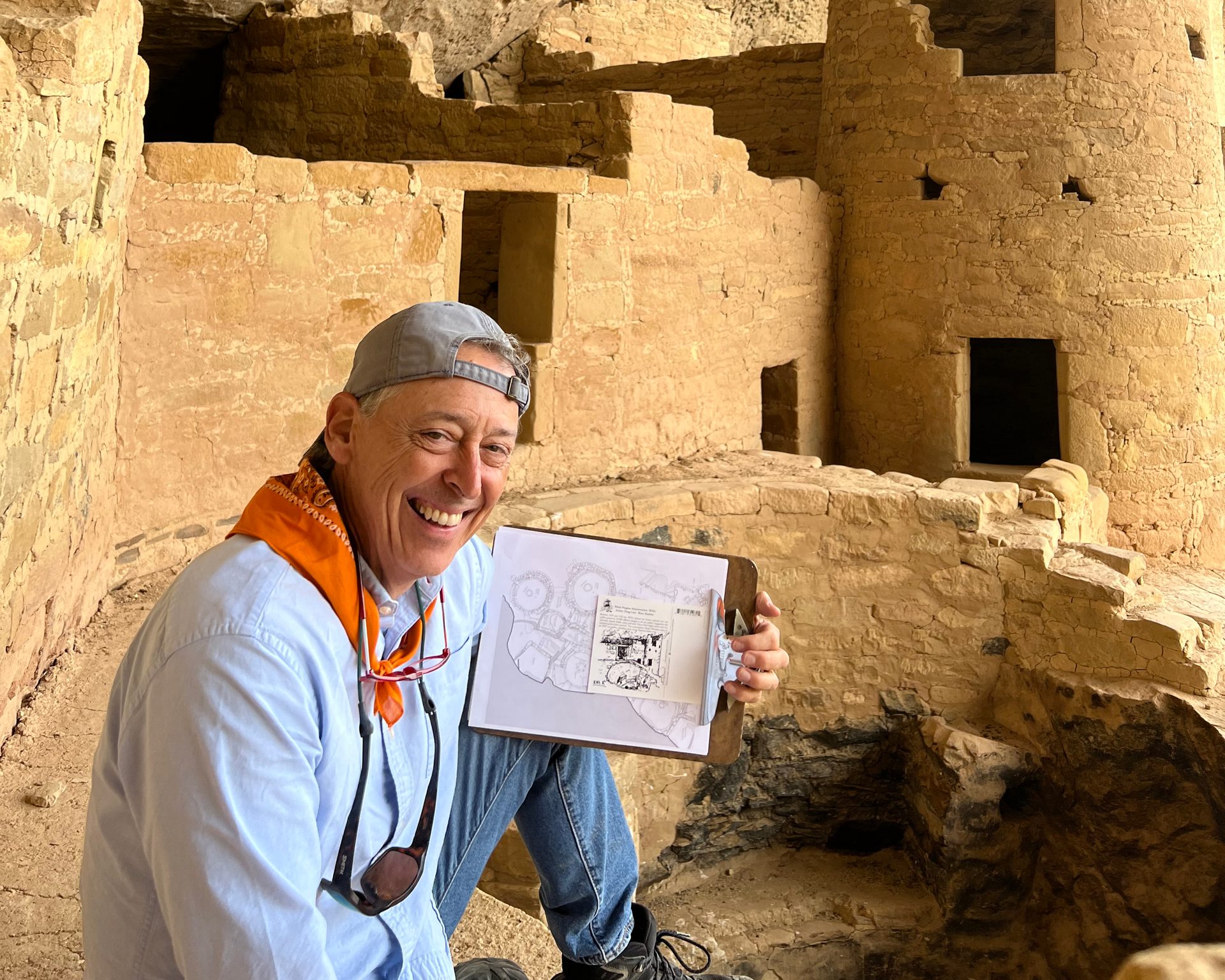
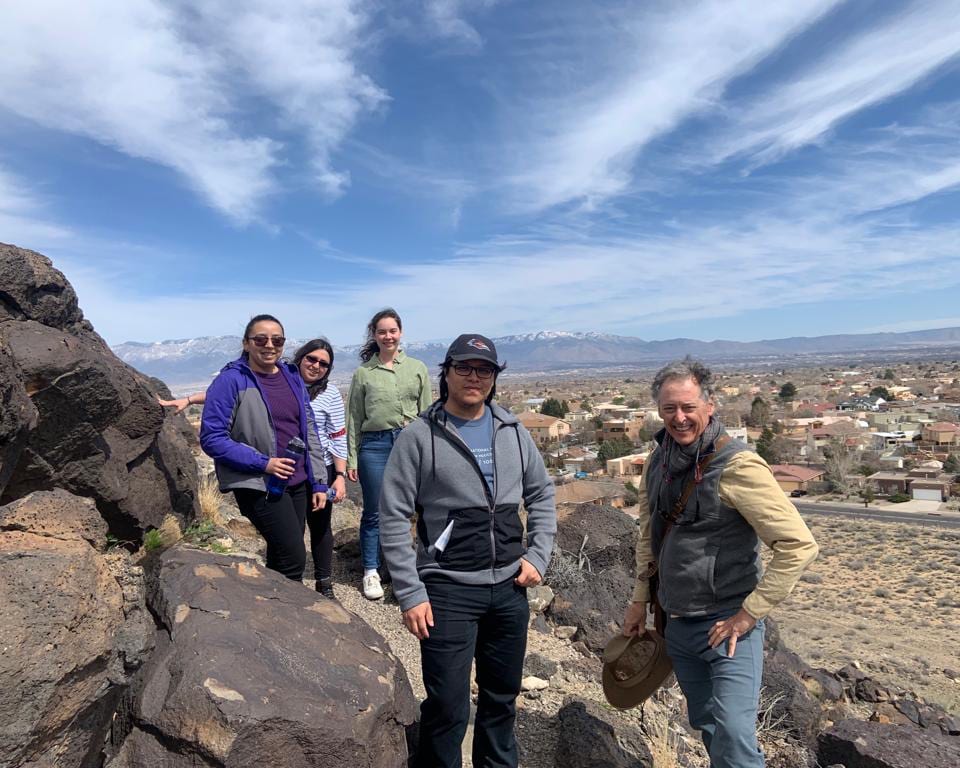
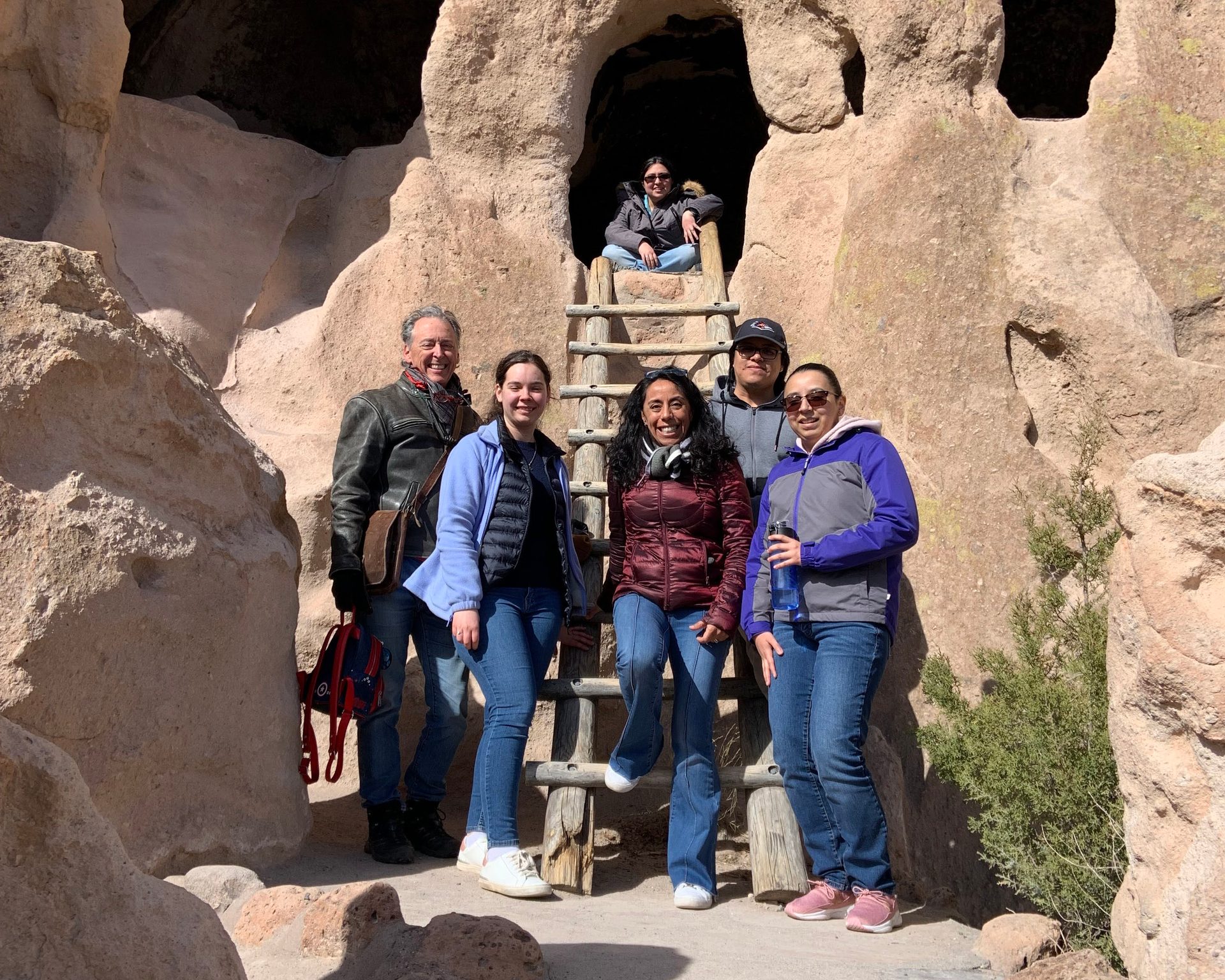
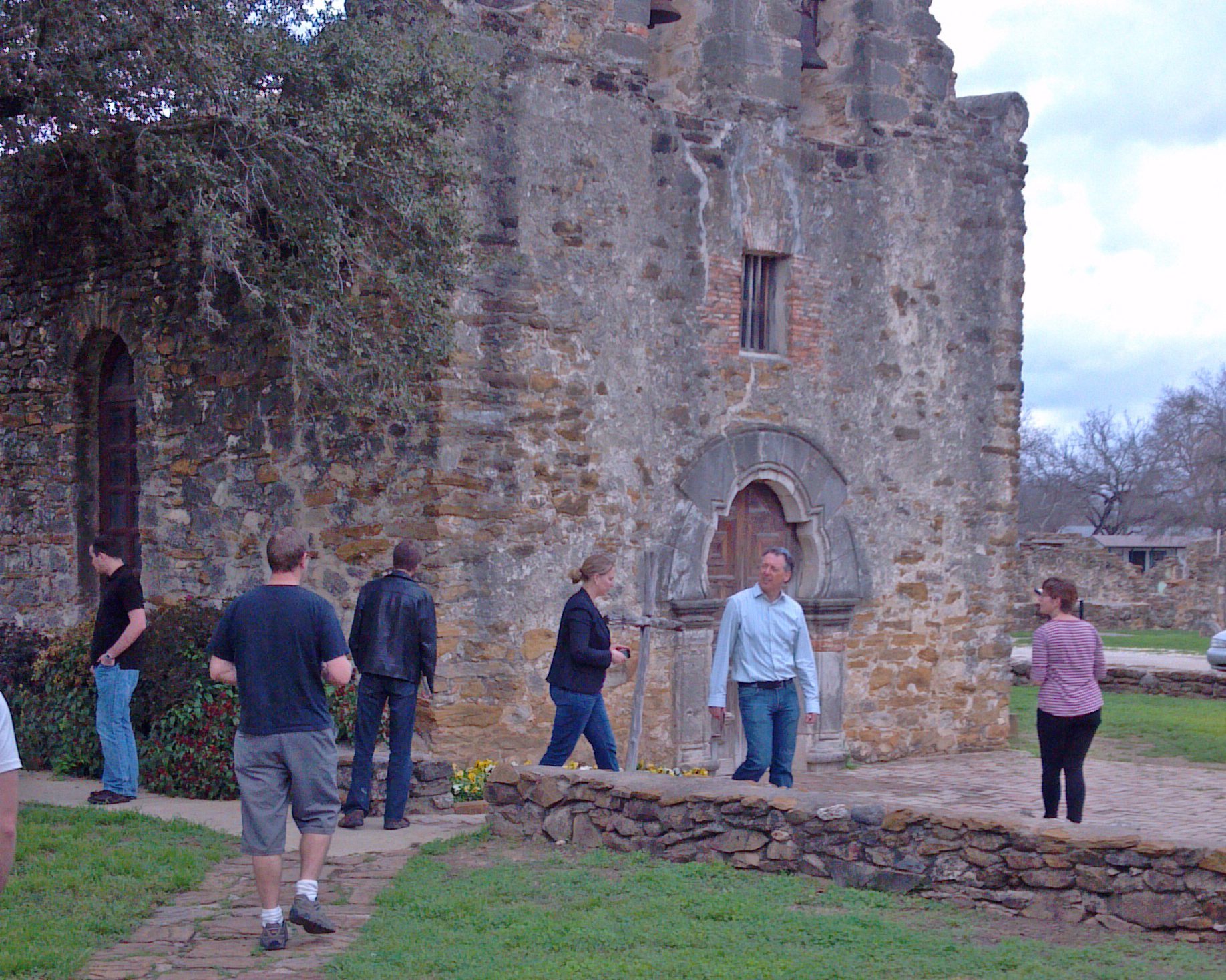
above: Photos from dupont's travels with students visiting historic sites
Taking the Lead
Dupont sees the Hines College as a center for preservation innovation, shaping national conversations on climate resilience, adaptive reuse, heritage conservation, and the creative potential of existing structures. Within five years, he envisions a robust historic preservation program at the Hines College:
- A top-tier, reputable research and education program
- Thought leadership in redefining how we use existing structures, incorporating sustainability, embodied energy, and adaptive design strategies.
- Community-focused initiatives that strengthen neighborhoods, schools, houses of worship, and civic institutions while preserving the cultural values that define them.
- Strong partnerships with local nonprofits, statewide organizations, federal agencies, and academic peers, creating a collaborative network that supports long-term success.
Dupont’s vision will not come to fruition without the support of philanthropy and industry involvement. The program needs endowed support, fieldwork funding, research sponsorships, and industry collaborations to attract top students, empower faculty, and broaden its impact throughout the region.
Cultivating the Next Generation
Dupont hopes students walk away from the Hines College with an experience that is academically challenging, professionally meaningful, and rooted in real-world engagement. He imagines studios and seminars leading students directly into communities, historic districts, houses of worship, and culturally significant landscapes. Students will learn and contribute through public engagement and cross-disciplinary collaboration.
Dupont asserts that preservation is not about freezing buildings in time. It is about designing with what already exists, understanding the cultural stories shaping places, and creating thoughtful interventions supporting both continuity and change.
“Historic preservation is a design process blending change and continuity while respecting the heritage values of people,” shared Dupont.
With the introduction of the Historic Preservation concentration, Hines College is set to reshape the meaning of preservation in a city that is changing quickly. Focused on cultural sustainability, resilience, and design excellence, the program will provide Houston with something it has lacked for a long time: a formal educational home for the study, stewardship, and innovative respect of its rich heritage.
Get the Scoop
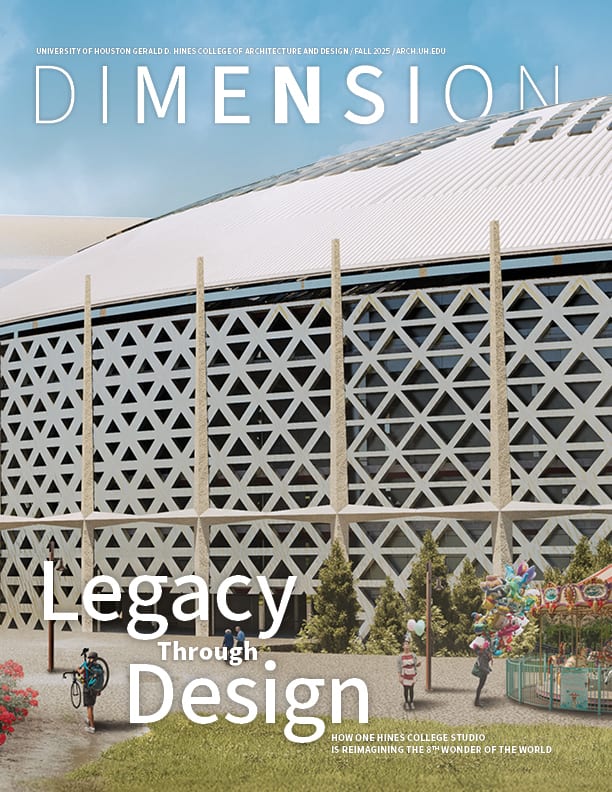
This story was first published in the fall 2025 issue of DIMENSION Magazine.
Read the magazine.